Malware & Ransomware coverage from BlueTeam Insider holds 19 articles, 16 of them reference guides. The newest was published on October 15, 2026. New stories are added as soon as they are confirmed, from more than 150 sources checked as often as every 45 seconds. Each story lists its sources. Primary sources we follow for this section include No More Ransom and UK National Cyber Security Centre.
Android users in India face increased risk as the GhostBat malware evolves to steal financial credentials through deceptive text messages impersonating traffic services.
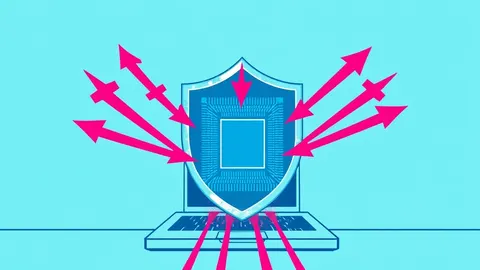
Attack surface reduction rules block execution paths rather than scanning files, shifting the defense model from detection to prevention of specific behaviors.
Your recovery point objective dictates how much work you permanently lose, while your recovery time objective dictates how long your business stays offline.
Point-of-sale malware hides in memory to bypass traditional disk scans, requiring behavioral monitoring and strict network segmentation to detect and contain.
Cracked executables often bypass standard signature detection because they contain modified code structures that security tools do not recognize as known threats.
Scareware relies on psychological pressure rather than technical exploits, meaning your browser settings and patience are the primary defenses against infection.
The Nikon Small World in Motion competition has disqualified a winning entry for using artificial intelligence, awarding the title to a Vietnamese researcher instead.
Scareware relies on psychological pressure rather than deep system access, meaning quick isolation and process termination often resolve the threat without data loss.
Your clipboard history often stores more than text, allowing malware to silently swap cryptocurrency addresses or leak sensitive data without your knowledge.
Most ransomware fails not because of encryption strength, but because the initial access phase leaves forensic traces that automated defenses can detect before files are locked.
Payment policy dictates backup architecture and incident response speed, forcing teams to choose between financial risk and operational resilience before an attack occurs.
Polymorphic malware alters its code signature with every infection, rendering static signature databases useless and demanding behavioral containment strategies.
Linux malware rarely breaks the operating system directly; it exploits human trust in automation and the hidden complexity of open-source package management to gain persistence.
Most free decryption utilities function only against specific encryption keys, requiring you to match the malware variant before any recovery attempt yields results.
Map the exact stages of an Android infection, from initial lure to silent persistence, and identify the specific controls that break each link in the chain.