Data Breaches
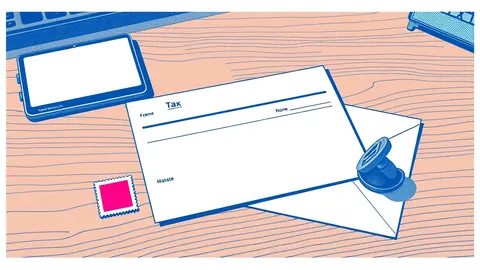
Tax Identity Theft: How to Detect, Stop and Recover
Your tax return can be filed before you know your data was stolen, locking you out of your own refund and creating a long trail of fraud.
Read moreData Breaches coverage from BlueTeam Insider holds 16 articles, 16 of them reference guides. The newest was published on October 14, 2026. New stories are added as soon as they are confirmed, from more than 150 sources checked as often as every 45 seconds. Each story lists its sources. Primary sources we follow for this section include IdentityTheft.gov (FTC) and FTC: Data Breach Response, A Guide for Business.
Your tax return can be filed before you know your data was stolen, locking you out of your own refund and creating a long trail of fraud.
Read more
Small configuration errors in everyday digital habits create persistent backdoors that attackers exploit to replicate your financial and personal identity.
Read more
Most organizations detect intrusions only after attackers have moved laterally through the network, making speed the primary defense against data loss.
Read more
Most data theft succeeds because organizations monitor network boundaries but ignore the quiet accumulation of data on local endpoints before it leaves.
Read more
Public posts provide attackers with the specific context needed to bypass multi-factor authentication and impersonate legitimate staff.
Read more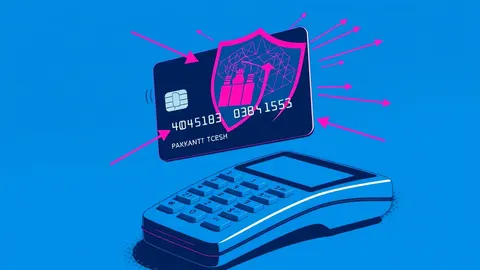
Most payment card theft succeeds because systems store full card numbers instead of using tokenization, making data masking the most effective defense against exfiltration.
Read more
Data exfiltration often succeeds not because of a breach, but because the stolen data blends into normal network traffic until it is too late.
Read more
Keeping only what you need shrinks the attack surface, making breaches less damaging and compliance easier to manage.
Read more
Many organizations mask data visually but leave the underlying structure intact, allowing attackers to reconstruct original values using statistical inference.
Read more
Access provisioning determines who can see what data, creating a silent accumulation of permissions that outlives the original business need.
Read more
Most identity theft happens because systems trust old credentials, not because hackers break through walls. You can close these gaps by managing how data flows out of your control.
Read more
Most access reviews fail because they treat user permissions as static snapshots rather than dynamic flows, leaving orphaned accounts and privilege creep invisible to auditors.
Read more
Most organizations lose data not because backups fail to create, but because they fail to restore correctly under pressure.
Read more
Most data breaches involve employees who lack malicious intent, revealing that human error often outweighs technical failure in security incidents.
Read more
Tokenization replaces sensitive data with useless values, ensuring that even a total system compromise yields no usable information for attackers.
Read more
Cyber insurance shifts financial risk but does not prevent attacks, leaving you exposed to operational downtime and irreversible reputational harm that policies often exclude.
Read more